
 sales@yetiadventure.com
  +977 1 4371516


Nepal, a land of towering mountains and vibrant culture, offers a unique culinary experience as diverse and captivating as its landscapes. Influenced by its neighbors, India and Tibet, Nepali cuisine has carved out its own distinct identity, blending familiar flavors with local ingredients and traditions.
A Fusion of Flavors
Nepali food draws inspiration from both Indian and Tibetan cuisines, creating a delightful fusion. From India, it borrows the rich use of spices like cumin, coriander, turmeric, and chili, while Tibetan influences bring hearty noodle soups like thukpa and savory dumplings known as momos. However, Nepali cuisine is more than just a blend; it boasts unique dishes and flavors that set it apart.
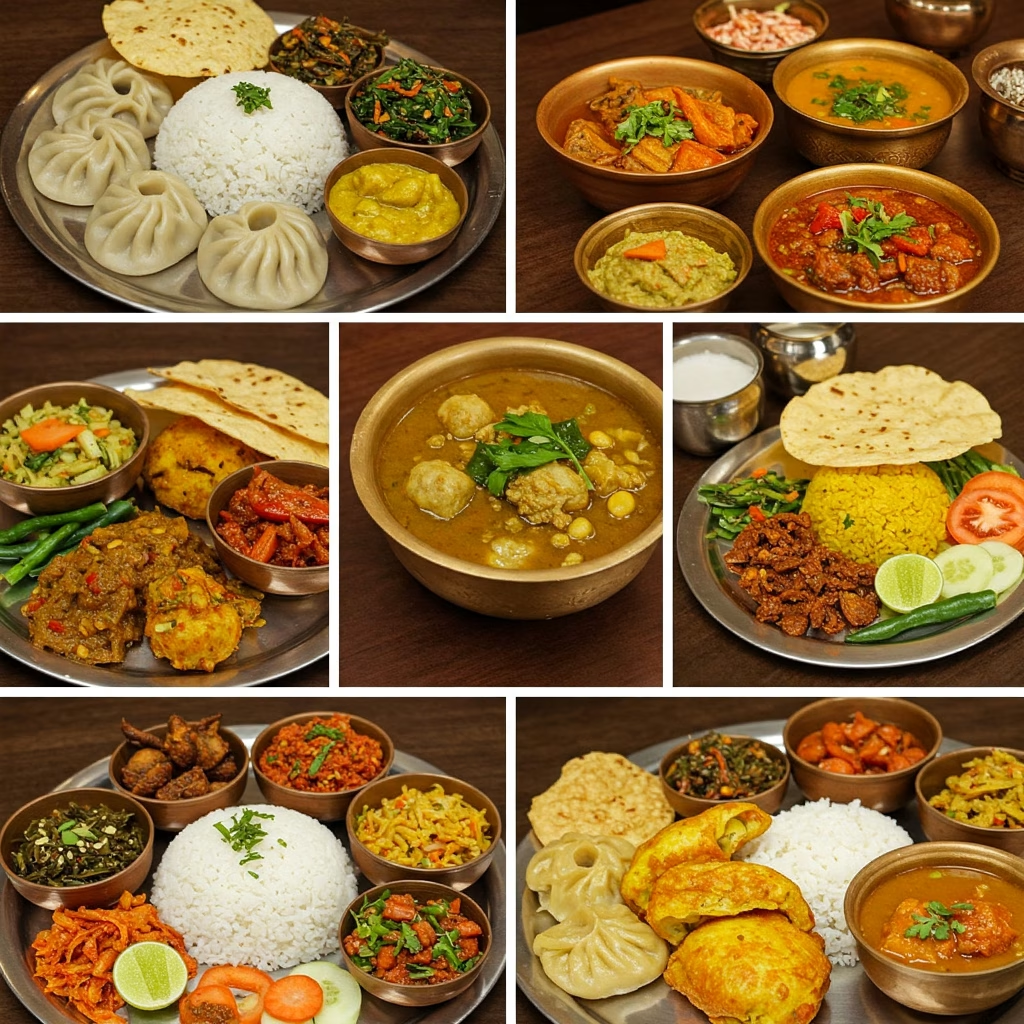
Staple Dishes: The Heart of Nepali Cuisine
-
- Dal Bhat: This is the national dish of Nepal, a staple meal eaten twice a day by many Nepalis. It consists of lentil soup (dal), steamed rice (bhat), and a variety of vegetable curries (tarkari). It’s often served with achar (pickles) and sometimes meat or fish.
-
- Momos: These delicious dumplings are a beloved snack and can be found on almost every street corner. They are typically filled with minced meat (chicken, buffalo, or pork) or vegetables and served with a tangy dipping sauce.
-
- Thukpa: This hearty noodle soup, often with meat and vegetables, is perfect for Nepal’s cooler climate, especially in the mountainous regions.
-
- Sel Roti: A traditional, ring-shaped, sweet rice bread, often enjoyed during festivals.
-
- Gundruk: Fermented leafy green vegetables, often served as a side dish, providing a unique tangy flavor.
Unique Flavors and Ingredients
Nepali cuisine utilizes a wide array of spices, but also incorporates unique ingredients that define its character:
-
- Timur (Sichuan Pepper): This spice, unique to the Himalayas, adds a distinctive citrusy and slightly numbing flavor to dishes.
-
- Jimbu: A Himalayan herb, used fresh or dried, providing an aromatic and garlicky flavor.
-
- Mustard Oil: A staple cooking oil in Nepal, adding a pungent and slightly spicy note.
Cultural Significance
Food in Nepal is more than just sustenance; it’s an integral part of the culture and traditions.
-
- Eating with Hands: Traditionally, food is eaten with bare hands, using the fingers and palm.
-
- Festivals and Celebrations: Many dishes are associated with specific festivals and celebrations, highlighting the cultural importance of food. For example, Sel Roti is commonly prepared during Dashain and Tihar.
-
- Regional Variations: With over 100 ethnic groups, Nepal boasts a diverse range of culinary traditions, each with its own signature dishes and flavors.
A Culinary Adventure
Exploring Nepali cuisine is a journey into the heart of the country’s culture. From the comforting staple of Dal Bhat to the flavorful Momos and the unique spices that define its character, Nepali food offers a delightful and unforgettable experience for every palate.